Exploring Natural Wellness

Discover the power of botanical ingredients for men's vitality and holistic well-being

Educational content only. No promises of outcomes.

Understanding Natural Vitality

Natural vitality encompasses the holistic well-being that comes from balanced lifestyle choices and environmental harmony. For men, particularly those beyond forty, maintaining vitality involves multiple interconnected factors: nutritional awareness, consistent physical activity, quality sleep, stress management, and mental clarity.

This concept moves beyond isolated interventions and embraces a comprehensive approach to daily wellness. Natural vitality is not about rapid transformation but about sustainable, long-term patterns that support the body's inherent capacity for health and resilience.

Man in nature representing natural vitality

The Role of Botanical Ingredients

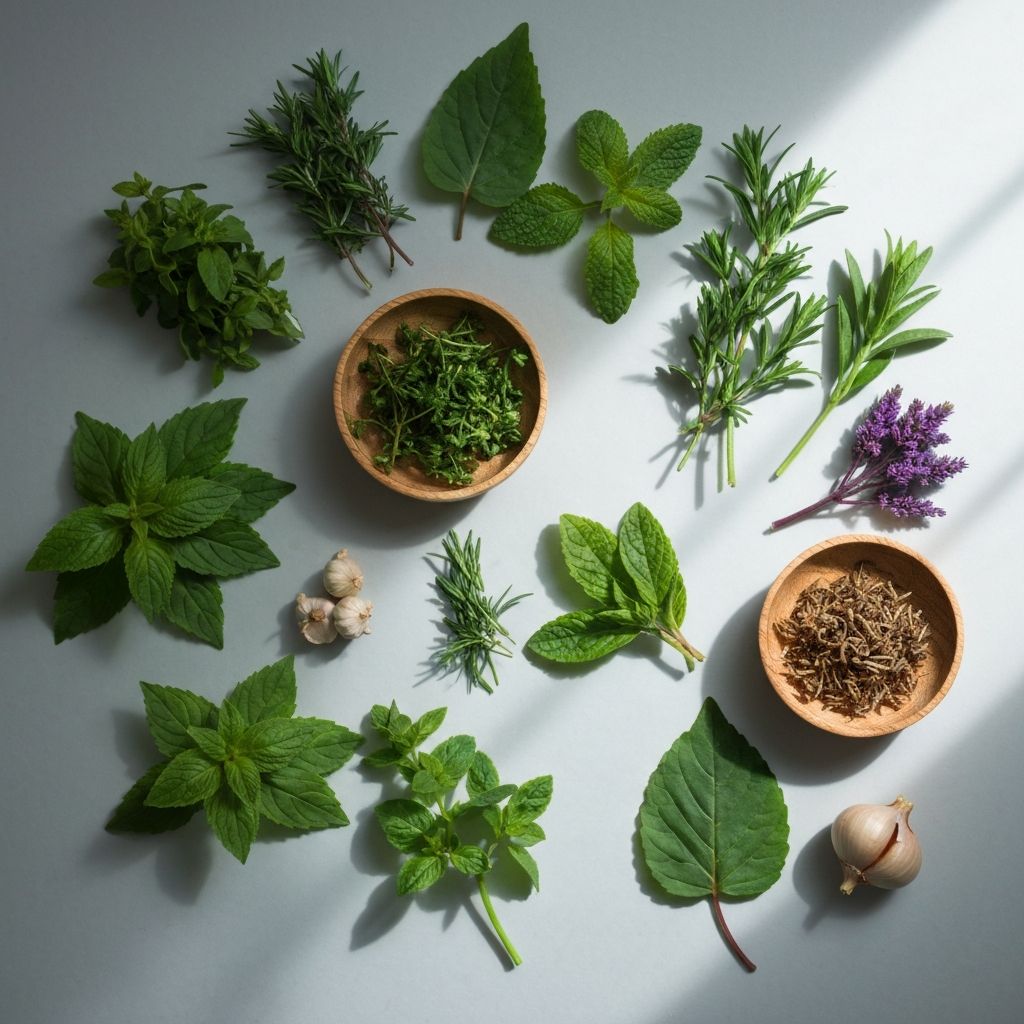
Botanical ingredients have been utilized across cultures for centuries as part of general wellness practices. These plant-derived components are valued for their properties in supporting overall health and daily well-being.

Unlike targeted medical claims, botanical ingredients are understood through their traditional uses and their integration into skincare and dietary practices. They offer a natural approach to supporting health through compounds found in nature, appreciated for their contribution to maintaining general wellness and healthy function.

Various botanical ingredients

Skincare Through Nature's Lens

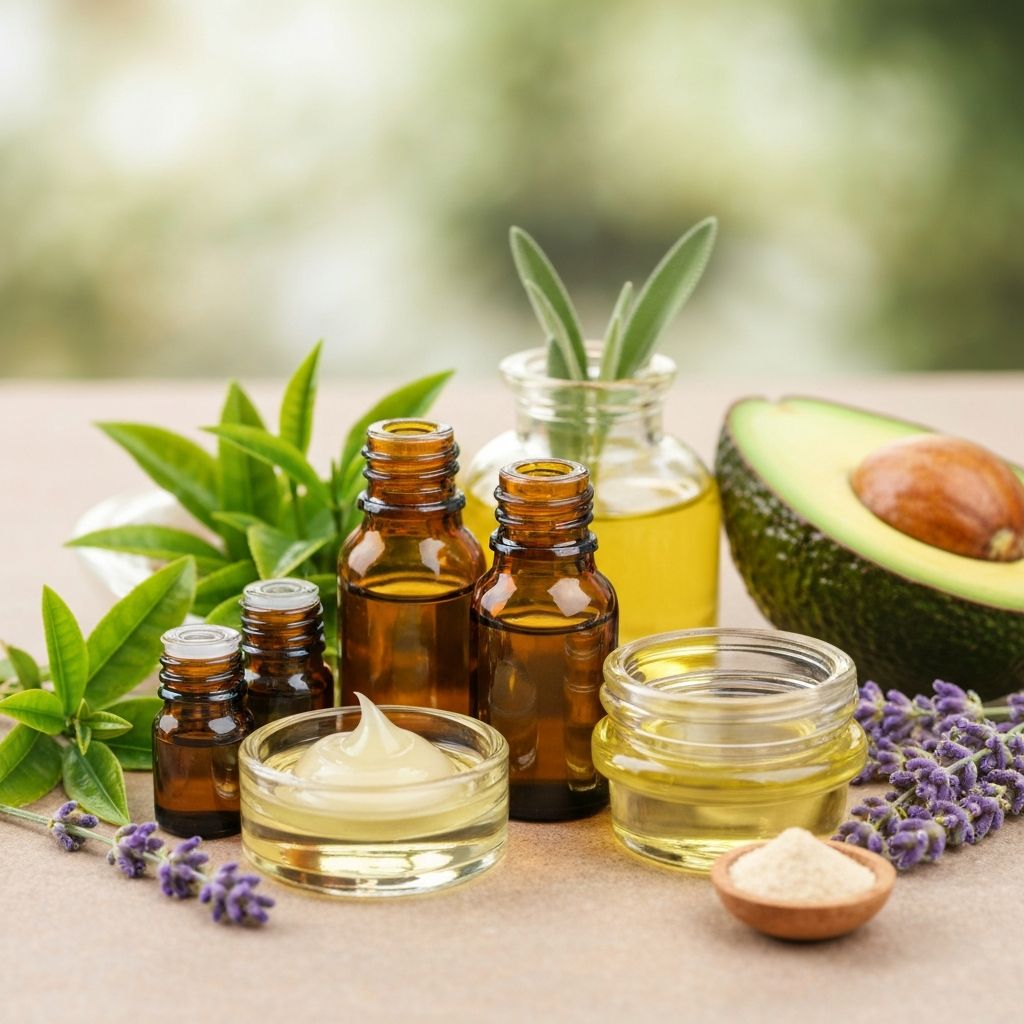
Natural ingredients in skincare focus on supporting skin health and protection rather than pursuing anti-aging claims. Common botanical components work through properties such as antioxidant activity, moisturizing capacity, and gentle nourishment.

Understanding skincare labels and the role of natural ingredients empowers consumers to make informed choices about products aligned with their wellness values. This educational approach emphasizes skin maintenance and protection as part of overall self-care.

Natural skincare ingredients

Wellness After Forty: A Holistic Perspective

Men over forty benefit from embracing a holistic approach to health that integrates nutrition, movement, recovery, and mental wellness. This life stage represents an opportunity to refine lifestyle practices that support sustained vitality.

The focus shifts from external transformations to internal balance—maintaining energy, mental clarity, and physical resilience through consistent daily choices. Natural approaches complement this perspective by offering sustainable practices rooted in nutrition, activity, and well-being management.

Active wellness practices

Key Nutritional Elements

Nutritional Category General Function Common Sources
Vitamins Support energy production, immune function, and cellular health Fruits, vegetables, whole grains
Minerals Essential for bone health, muscle function, and metabolic processes Leafy greens, nuts, seeds, legumes
Antioxidants Protect cells from oxidative stress through various mechanisms Berries, green tea, dark leafy greens
Protein Building block for muscle, enzymes, and structural tissues Legumes, nuts, seeds, whole grains
Healthy Fats Support cardiovascular health and nutrient absorption Avocados, seeds, nuts, olive oil

Harmonizing Lifestyle and Nature

True wellness emerges when daily habits align with natural rhythms and biological patterns. Sleep quality, hydration, stress management, and movement create the foundation for sustained well-being.

Incorporating natural approaches—such as herbal infusions, botanical skincare, and plant-based nutrition—complements these lifestyle pillars. The synergy between consistent habits and natural support systems creates a holistic wellness practice that adapts to individual circumstances and seasons of life.

Lifestyle harmony

Historical Uses of Herbs

Ancient Egypt (3000-30 BCE)

Egyptians utilized herbal preparations in daily health practices and as part of grooming rituals. Archaeological evidence shows sophisticated understanding of plant properties integrated into daily wellness.

Traditional Chinese Medicine (500+ years)

Botanical ingredients have been systematically documented in Chinese wellness traditions, with herbal formulations recorded in classical texts and integrated into daily health maintenance practices.

Ayurvedic Traditions (5000+ years)

The Indian wellness system emphasizes botanical ingredients as central to maintaining balance and supporting natural resilience through individualized approaches to health and nutrition.

European Herbal Traditions (Medieval to Modern)

European cultures developed extensive knowledge of local botanical ingredients, documented in herbal texts and integrated into daily wellness practices and food preparation.

Modern Integration (20th Century-Present)

Contemporary wellness approaches continue to draw from traditional botanical knowledge while integrating scientific understanding of plant properties and mechanisms of action.

The Science Behind Botanicals

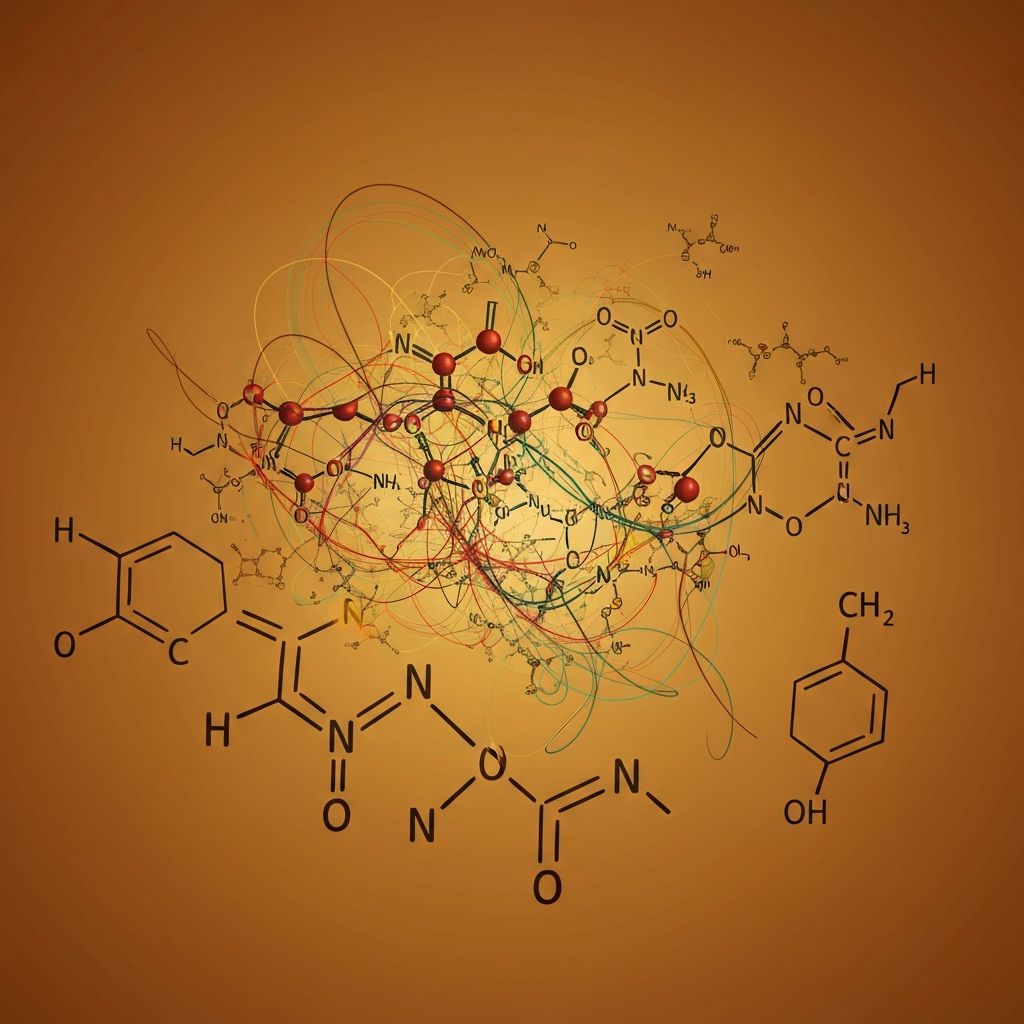
Modern research examines the chemical composition of botanical ingredients and their potential roles in supporting health. This scientific examination builds upon traditional knowledge while exploring mechanisms of action at the molecular level.

Understanding how plant compounds interact with biological systems provides context for their integration into wellness practices. Scientific investigation validates traditional uses while expanding our knowledge of botanical properties and their contribution to general health maintenance.

Botanical science

Myths and Facts in Natural Wellness

Myth: Natural = Always Safe

Fact: While many botanical ingredients have long histories of use, individual responses vary. Concentrated doses, interactions with medications, and personal sensitivities require consideration and informed decision-making.

Myth: Quick Results

Fact: Sustainable wellness emerges through consistent, long-term practices. Natural approaches prioritize gradual integration into lifestyle rather than immediate dramatic changes.

Myth: One Solution for All

Fact: Botanical ingredients support general wellness differently for each individual based on genetics, lifestyle, environment, and existing health patterns. Personalization matters significantly.

Fact: Traditional Knowledge Matters

Centuries of documented use across cultures provide valuable information about botanical ingredients and their role in daily wellness practices when integrated thoughtfully.

Fact: Quality and Source Impact Efficacy

The quality of botanical materials, sourcing practices, processing methods, and storage conditions significantly influence the properties and benefits of plant-based products.

Fact: Consistency Drives Results

Repeated, consistent integration of natural practices into daily routines creates cumulative benefits far more significant than sporadic or intensive use.

Building a Balanced Routine

Creating a sustainable wellness routine involves integrating multiple practices: consistent sleep schedules, regular physical activity, balanced nutrition, hydration, and stress management techniques.

Adding botanical elements—such as herbal teas, natural skincare, and plant-based supplements—works best when integrated gradually and consistently. The key is building habits that feel natural and sustainable rather than forcing intensive practices that prove difficult to maintain.

Daily wellness routine

Global Perspectives on Natural Health

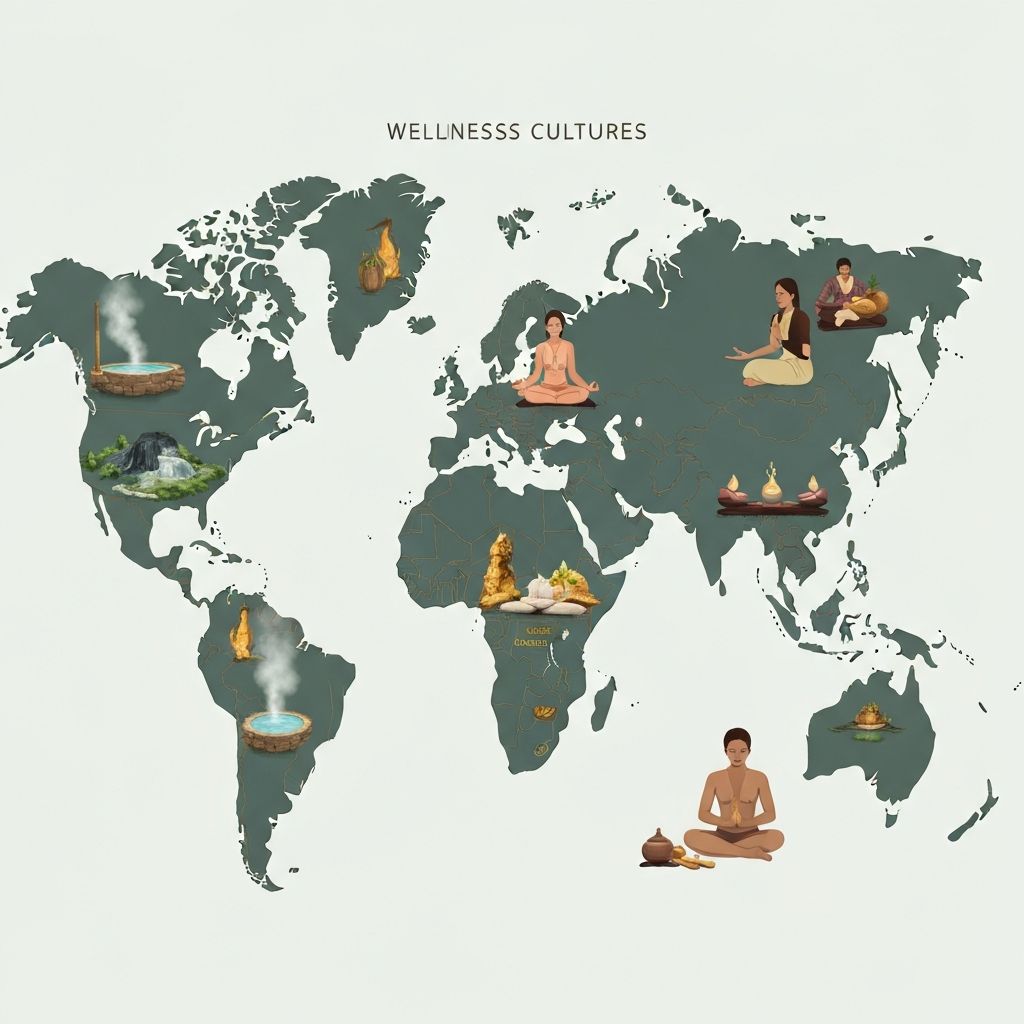
Cultures worldwide have developed sophisticated approaches to wellness integrating botanical knowledge with daily life. These perspectives offer diverse frameworks for understanding health and vitality beyond Western medical paradigms.

Learning from global traditions—whether Ayurvedic, Traditional Chinese Medicine, Mediterranean, or indigenous approaches—enriches personal wellness practices with time-tested wisdom and culturally adapted strategies for maintaining health.

Global wellness perspectives

Deepen Your Understanding

Explore detailed articles on botanical ingredients, skincare science, nutritional foundations, and holistic wellness practices below.

Explore More Topics

Disclaimer: All materials on this site are for informational purposes only. This content does not constitute medical advice, diagnosis, or treatment recommendations. Individual responses to botanical ingredients vary significantly. Consult qualified professionals for personalized health decisions. This educational resource explains general wellness concepts without promising specific outcomes or replacing professional medical guidance.